
Why Finding the Right Eviction Lawyer Could Save Your Home (or Investment)
Eviction lawyers in my area are your lifeline when facing the complex legal process of removing or defending against the removal of tenants from rental property. Whether you’re a tenant fighting an unlawful eviction or a landlord navigating strict procedural requirements, having local legal expertise can mean the difference between a favorable outcome and a costly mistake.
Quick Answer – How to Find Eviction Lawyers in Your Area:
- Search your state bar association’s lawyer referral service
- Contact local legal aid organizations for free/low-cost options
- Ask for referrals from real estate professionals
- Check online directories with local practice filters
- Schedule free consultations with 2-3 attorneys
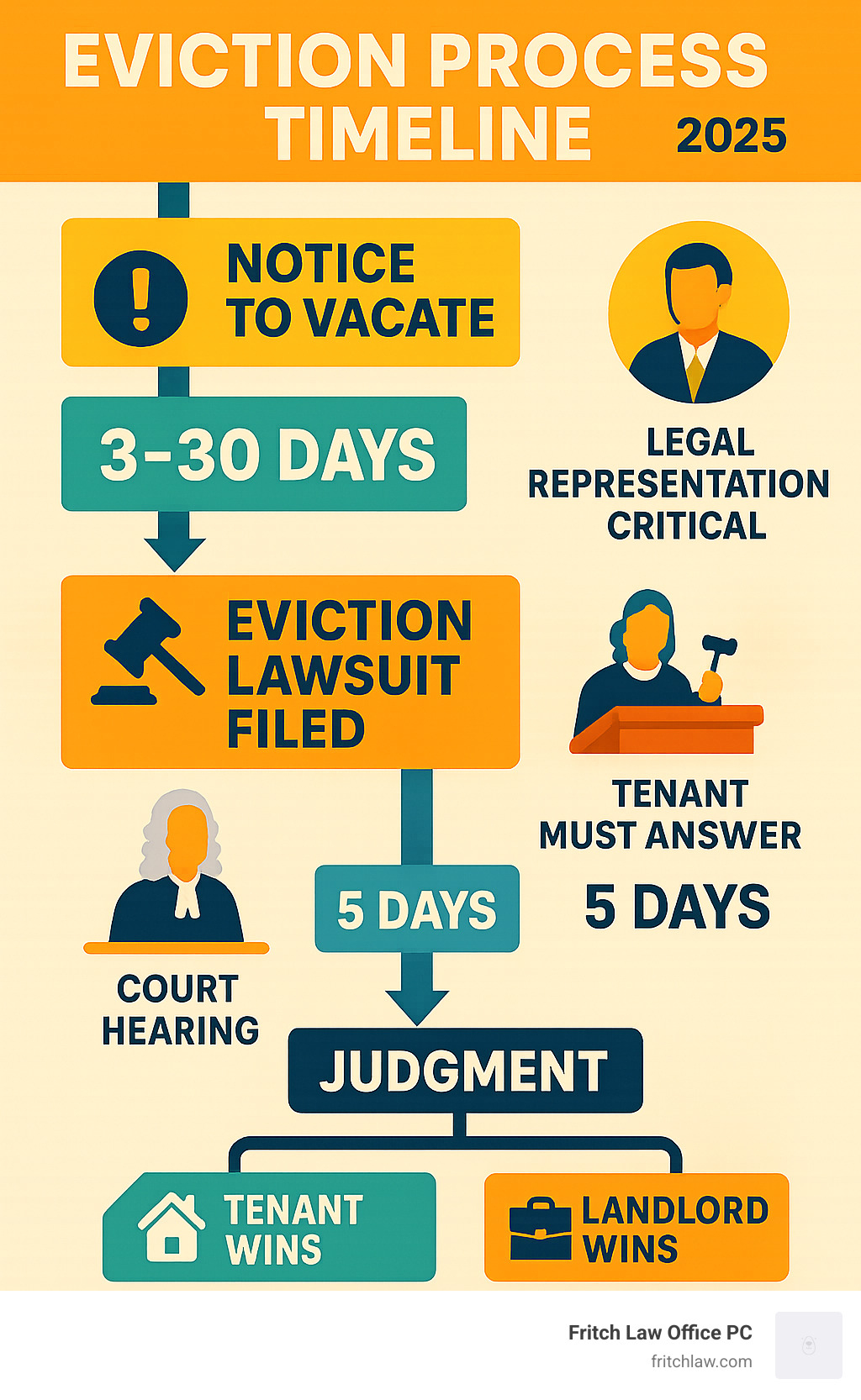
The stakes in eviction cases are high. Time is critical in eviction matters. Most eviction notices provide just 3-30 days to respond, and once court proceedings begin, the process moves quickly. Kansas City’s innovative Right to Counsel program recognizes this urgency by providing free legal representation to tenants in high-eviction ZIP codes.
I’m David Fritch, and with 40 years of experience owning and managing my own law firm, I’ve helped countless clients steer landlord-tenant disputes and understand when searching for eviction lawyers in my area becomes essential.
Quick eviction lawyers in my area terms:
Eviction 101—What Tenants & Landlords Must Know
An eviction is the legal process where a court orders the removal of a tenant from rental property. Some states call this an “unlawful detainer” action, but the concept remains the same—it’s the formal way to end a tenancy when things go wrong.
Landlords cannot evict tenants without a court order. This means changing locks, shutting off utilities, or tossing belongings on the curb without judicial approval is illegal everywhere. These “self-help evictions” can land landlords in serious legal trouble.
Eviction notices come in different types: 3-day notices typically address non-payment of rent. 7-day notices usually cover lease violations like unauthorized pets. 30-day notices apply to month-to-month tenancies where no specific cause is needed. The notice period isn’t just a suggestion—it’s a legal requirement that can make or break an eviction case.
| Landlord Legal Obligations | Tenant Legal Rights |
|---|---|
| Provide proper written notice | Receive adequate notice period |
| Maintain habitable conditions | Live in safe, habitable housing |
| Follow fair housing laws | Protection from discrimination |
| Obtain court order before eviction | Due process in court proceedings |
| Return security deposits properly | Receive deposit accounting |
Common Reasons for Eviction & How Lawyers Help
Non-payment of rent tops the list, but it’s not always straightforward. Tenants might have valid defenses—maybe the landlord failed to maintain habitability, or they accepted partial payments that could waive eviction rights.
Lease violations create another common battleground. Not every violation justifies eviction. Was the unauthorized pet really disrupting other tenants? Did the landlord provide proper notice and opportunity to cure the violation?
Property damage beyond normal wear and tear provides grounds for eviction, but drawing that line isn’t always clear. Holdover tenancy occurs when tenants stay past lease expiration, with surprisingly complex legal rules around lease renewals.
Eviction lawyers provide essential services that level the playing field. They draft legally compliant notices, represent clients in court hearings, and negotiate payment plans or lease modifications.
Kansas City Spotlight: Right to Counsel Program
Kansas City made history with its Right to Counsel program, providing free legal representation to tenants facing eviction in ZIP codes with the highest eviction filing rates. This groundbreaking program—the first of its kind in Missouri—recognizes that landlords typically have lawyers while tenants steer the complex court system alone.
For tenants in eligible ZIP codes, fill out this form for immediate assistance to connect with free legal services. The impact has been measurable, with participating tenants seeing dramatically better outcomes compared to those without representation.
When & Why to Hire an Eviction Lawyer
Knowing when to call in legal help can save you from costly mistakes and protect your rights. The eviction process moves fast, and one wrong step can change everything.
Retaliatory eviction cases are particularly tricky. If you’re a tenant who recently complained about broken heating or leaky pipes, and suddenly your landlord wants you out, that’s a red flag. Courts take retaliation seriously, but you’ll need skilled legal help to prove your case.
Discrimination claims require immediate attention. Whether you’re facing eviction after requesting reasonable accommodations for a disability or notice patterns that suggest bias, these situations demand professional representation.
The strict court deadlines in eviction cases leave no room for error. Miss a filing deadline by even one day, and you could lose your case entirely. Experienced eviction lawyers in my area know these timelines inside and out.
Landlord Triggers for Hiring Counsel
Smart landlords recognize when they’re in over their heads. Complex lease drafting becomes essential when you own multiple properties or deal with unique situations. Fair housing laws change regularly, and security deposit rules vary by location.
Repeated non-payment situations often involve tenants who understand the system better than their landlords. Some tenants know exactly how to raise habitability defenses or claim discrimination to delay eviction proceedings.
Property safety issues create liability nightmares. When tenants claim your property is uninhabitable, you need legal guidance on addressing violations while protecting your rights.
For comprehensive guidance on protecting your investment property, check out our resource on Eviction Lawyers for Landlords.
Tenant Signals You Need Help Fast
Illegal lockout means your landlord changed the locks without a court order. This violates your rights, even if you’re behind on rent. Landlords cannot prevent you from accessing your home without going through proper legal channels.
Utility shut-off without court authorization is another serious violation. Your landlord cannot turn off your electricity, water, or heat to force you out.
Habitability disputes require careful documentation and legal strategy. If your apartment has serious problems like no heat in winter, major plumbing issues, or health hazards, you have rights. But asserting those rights properly requires legal knowledge.
Retaliation happens when landlords try to evict tenants who exercise their legal rights. If you reported code violations, requested repairs, or complained to housing authorities, and then received an eviction notice, the timing matters legally.
Our detailed guide on Legal Aid for Evictions provides additional resources for tenants in difficult situations.
Choosing Eviction Lawyers in My Area
Finding the right eviction lawyers in my area doesn’t have to feel overwhelming when you know where to look. Your state bar association’s lawyer referral service is often the best starting point. These services screen attorneys to ensure they’re in good standing and have relevant experience.
Don’t overlook local legal aid organizations, especially if money is tight. These groups often specialize in landlord-tenant law and know the ins and outs of local court procedures.
Real estate professionals can be goldmines for referrals. Property managers, real estate agents, and other landlords work with eviction attorneys regularly. They know which lawyers get results based on actual experience.
Online directories can help you cast a wider net, but always verify credentials independently. Look for attorneys who focus significantly on landlord-tenant law rather than those who handle evictions as a side practice.

How to Compare Eviction Lawyers in My Area
Once you’ve identified potential eviction lawyers in my area, it’s time to separate the wheat from the chaff. Experience matters, but relevance matters more. An attorney with five years focused on eviction law will likely serve you better than someone with twenty years in general practice who handles the occasional landlord-tenant dispute.
Ask about their courtroom record during initial consultations. How many cases like yours have they handled recently? What were the outcomes? A lawyer who’s vague about their track record might not have the experience you need.
Communication style can make or break your experience. During that first meeting, pay attention to whether the attorney explains complex legal concepts in plain English. Do they return calls promptly? You’ll be working closely with this person during a stressful time.
Fee structures vary dramatically among practitioners. Some attorneys charge flat fees for routine evictions, while others bill hourly. Make sure you understand the total projected costs, not just the initial retainer.
For more detailed guidance on evaluating legal representation, check out our comprehensive resource on Eviction Lawyers.
Average Cost of Eviction Lawyers in My Area
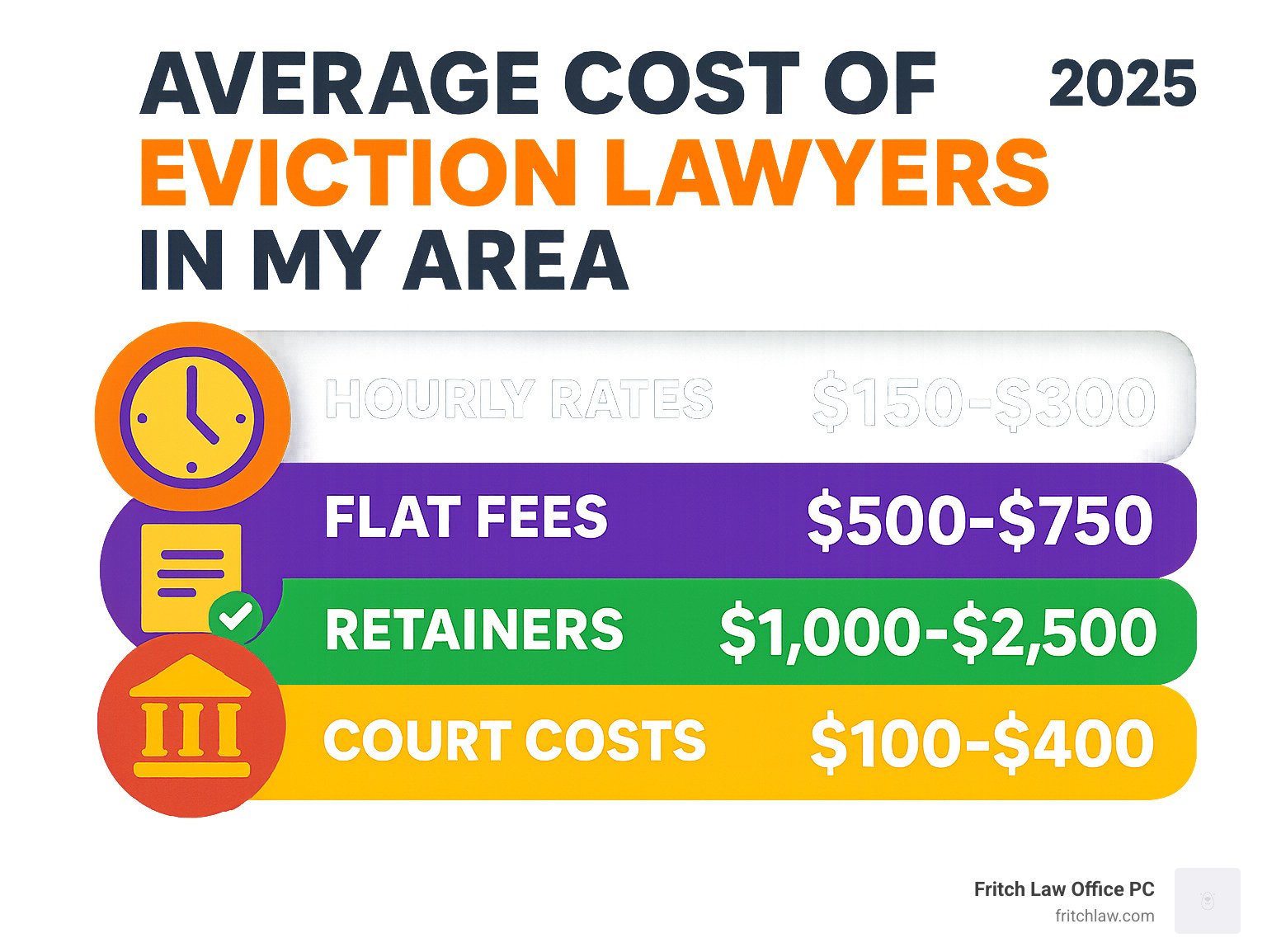
Hourly rates generally fall between $150-$300, though this varies based on location and attorney experience. Flat fee arrangements for standard evictions often range from $500-$750. These packages typically cover notice preparation, court filing, and initial hearing representation.
Retainers represent upfront payments against future services. Most attorneys require $1,000-$2,500 retainers for eviction matters, depending on case complexity.
Don’t forget about court costs, which add to your total expenses. Filing fees, service costs, and other court-related expenses typically range from $100-$400, varying by jurisdiction.
Many attorneys offer payment plans for clients facing financial constraints. Don’t be embarrassed to discuss payment options during initial consultations.
Free & Low-Cost Options Near You
If private counsel feels financially out of reach, don’t panic. Right-to-counsel cities like Kansas City provide free representation to eligible tenants. Pro bono clinics operated by bar associations and legal aid societies offer free services to qualifying individuals.
Law school programs provide another avenue for free assistance. Student attorneys work under experienced faculty supervision to handle eviction cases while gaining practical experience.
LawHelp.org offers a comprehensive database of free and low-cost legal services nationwide. Their website allows searching by ZIP code and legal issue type.
For detailed information about accessing free legal assistance, explore our comprehensive resource on Free Eviction Lawyers for Tenants.
Step-by-Step Eviction Process (Kansas City Example)
The eviction process can feel overwhelming, but understanding each step helps both tenants and landlords steer what’s ahead. Kansas City’s procedures mirror those in many jurisdictions.
Notice Period comes first – landlords must provide proper written notice before heading to court. The notice period varies from 3 days for non-payment of rent to 30 days for month-to-month tenancies.
Filing the Petition happens after the notice period expires without tenant compliance. The court requires proper documentation and filing fees, typically ranging from $50-$150.
Service of Process ensures tenants receive official court documents. Service methods include personal delivery by a sheriff, posting on the property, or certified mail. Improper service can invalidate the entire case.
Hearing day arrives quickly – often within 7-14 days of filing. Both parties appear before a judge to present their cases. Court hearings typically last 5-15 minutes for straightforward cases.
Judgment follows immediately or within a few days. Courts issue written decisions either granting or denying eviction requests.
Set-Out occurs if tenants don’t vacate voluntarily after losing. Sheriff’s deputies physically remove tenants and belongings according to court orders, usually 7-10 days after judgment.
What to Do the Moment You Receive an Eviction Notice
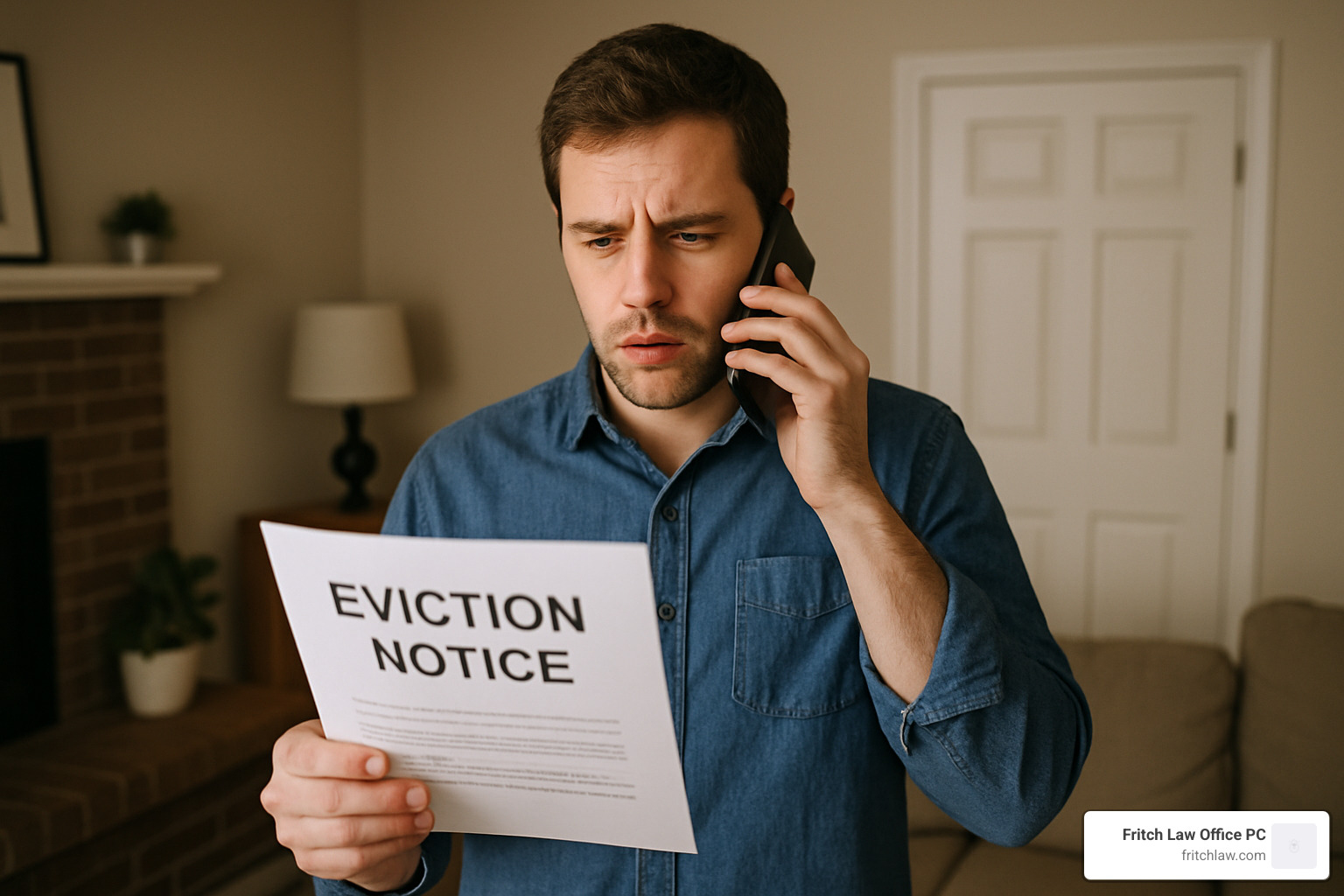
That sinking feeling when you see an eviction notice is completely normal. Take a deep breath – you still have options, but time is absolutely critical.
Document the notice immediately by taking clear photos or making copies. Note exactly when, where, and how you received it. These details matter because improper service can invalidate the entire proceeding.
Verify court filing by calling the local courthouse. Some landlords send notices hoping tenants will move voluntarily without actually filing court cases.
Respond within deadlines specified in the notice and local court rules. Most eviction notices give you specific timeframes to respond, typically 3-10 days. Missing these deadlines can result in default judgments against you.
Negotiate payment plans if the eviction involves unpaid rent. Many landlords prefer receiving payment to pursuing costly court proceedings. Be prepared to put any agreement in writing.
Seek counsel immediately if you believe the eviction is improper. When searching for eviction lawyers in my area, don’t delay – many attorneys offer free consultations.
How Landlords Stay Compliant During Evictions
Landlord compliance isn’t just about following rules – it’s about protecting your investment and avoiding costly mistakes.
Fair housing rules create a legal minefield that landlords must steer carefully. Evictions that follow tenant complaints about discrimination face heightened scrutiny from courts.
Accurate notices require more than filling in blanks on template forms. Each notice must include proper legal language, correct dates, and specific violation descriptions.
No self-help measures means exactly that – landlords cannot change locks, shut off utilities, or remove belongings without court orders. The legal consequences are severe.
Security deposit handling requires following specific procedures for withholding deposits and providing required notices to tenants.
For comprehensive guidance on staying compliant while protecting your rights, explore our resource on Landlord Legal Advice Free.
Resource Vault for Tenants & Landlords
When you’re searching for eviction lawyers in my area, you’ll likely need additional support beyond legal representation. Numerous organizations stand ready to help both tenants and landlords steer housing challenges before they escalate into court battles.
The Consumer Financial Protection Bureau’s Rental Assistance Finder serves as your starting point for emergency help. This tool connects you with rental and utility assistance programs specifically available in your ZIP code. The Rental Assistance Finder gets updated regularly with current information about available programs.
211 is your lifeline when you don’t know where to turn. This free service connects you with community-based help including housing assistance, food programs, and utility support. Simply dial 2-1-1 from any phone, and trained specialists will connect you with local resources. The service operates 24/7 and provides confidential referrals in multiple languages.
Quick-Access Links & Hotlines
Having the right phone number when crisis hits can make all the difference. Keep these contacts easily accessible:
National Resources:
- Legal Services Corporation: 1-202-295-1500 for nationwide legal aid referrals
- National Low Income Housing Coalition: www.nlihc.org for housing policy and local resources
- ABA Free Legal Answers: www.abafreelegalanswers.org for online legal guidance
Local Indiana Resources:
- Indiana Legal Services: 1-800-869-0212 for free legal help for low-income residents
- Indiana Civil Rights Commission: 1-800-628-2909 for discrimination complaints
- Indiana Housing & Community Development Authority: 1-317-232-7777 for housing programs
Emergency Hotlines:
- 211 Community Services: Dial 2-1-1 for immediate resource connections
- Crisis Text Line: Text HOME to 741741 for emotional support during housing crises
- National Suicide Prevention Lifeline: 988 for mental health emergencies
Online Self-Help Tools:
- LawHelp Interactive: www.lawhelpinteractive.org for legal document preparation
- Indiana Courts Self-Help: www.in.gov/courts/selfhelp for court procedure guidance
- Legal Aid Society: Apply online 24/7 for legal assistance
These resources work best when you use them early. Don’t wait until you’re facing an eviction notice to explore what help is available.
Frequently Asked Questions about Eviction Lawyers in My Area
1. Do I need a lawyer if my landlord hasn’t filed in court yet?
Getting legal advice before court papers are filed is often one of the smartest moves you can make. When you’re still in the notice phase, eviction lawyers in my area have more tools available to help you. They can review your lease, spot potential problems with the eviction notice, and often negotiate directly with your landlord.
For tenants, this early intervention can mean the difference between staying housed and facing an eviction on your record. For landlords, having a lawyer review your case before filing prevents costly mistakes that could get your case thrown out of court.
2. Can a lawyer really stop an eviction after judgment?
While it’s more challenging once a judge has ruled against you, skilled attorneys can sometimes work legal magic even after an adverse judgment. Appeals offer one avenue for relief, but they typically need to be filed within 7-10 days of the judgment.
Emergency motions can sometimes halt evictions if you can show the court made a mistake or if new evidence comes to light. Setting aside default judgments is possible when tenants didn’t appear in court due to circumstances beyond their control.
The harsh reality is that time works against you once judgment is entered. If you’re facing this situation, contact eviction lawyers in my area immediately.
3. How long does an eviction stay on my record?
An eviction record can follow you around for seven years on your credit report, though some tenant screening companies keep records even longer. This can seriously impact your ability to find decent housing in the future.
However, several factors can work in your favor. If your case was dismissed, if you won in court, or if the eviction was sealed or expunged, it might not show up in routine tenant screenings. Some jurisdictions limit how far back landlords can search, and paid judgments typically look better than unpaid ones.
Legal aid organizations sometimes help tenants challenge improper eviction records on credit reports. The landscape is slowly changing too, with some states considering laws that would limit how long eviction records can be held against rental applicants.
Conclusion
When you’re facing eviction proceedings, whether as a tenant or landlord, finding the right eviction lawyers in my area isn’t just about legal knowledge—it’s about protecting your future. The difference between having experienced legal counsel and going it alone can mean keeping your home versus losing it, or resolving a dispute quickly versus facing months of costly litigation.
At Fritch Law Office PC in Jasper, Indiana, we’ve seen how eviction cases affect real people’s lives. These aren’t just legal procedures on paper—they’re about families trying to stay in their homes and property owners working to protect their investments. That’s why we approach every case with the personal attention and care it deserves.
Here’s what you need to do right now:
Act immediately because eviction deadlines wait for no one. Most notices give you just days to respond, and missing these deadlines can cost you the entire case. Document everything by keeping copies of all notices, communications, and evidence—these details often make or break eviction cases.
Know your rights so you can spot illegal tactics before they harm you. Seek professional help when things get complicated because eviction law has too many pitfalls for non-lawyers to steer safely. Explore all your options since negotiation often works better than courtroom battles.
Our promise to you is simple: We believe everyone facing eviction proceedings deserves honest, straightforward legal help. We’ll tell you exactly where you stand, what options you have, and what we can realistically accomplish together. No false promises, no legal jargon you can’t understand—just experienced guidance when you need it most.
Don’t try to handle eviction proceedings by yourself. The stakes are too high, and the legal system is too complex. Whether you’re dealing with an emergency situation or planning your next steps in a complicated landlord-tenant dispute, we’re here to help you through it.
For comprehensive legal assistance with all aspects of landlord-tenant law, visit our Landlord-Tenant Attorney page to learn more about how we can protect your interests and guide you through the legal process.
Remember this: In eviction cases, waiting usually makes things worse, not better. The sooner you get qualified legal help, the more options you’ll have available. Your home, your investment, and your peace of mind are worth protecting—and that protection starts with making the right choice today.