Risk management in m’a: Complete 2026 Guide
Fritch Law Office handles risk management in m’a cases for Indiana residents every day. First, our attorneys examine your situation carefully. Next, we identify your strongest legal options. Furthermore, we explain every step in plain language. Therefore, you make confident decisions from day one.
Key Facts About Risk management in m’a in Indiana
Indiana courts apply strict 2026 rules to risk management in m’a matters. Moreover, experienced attorneys win better outcomes for clients. Additionally, early legal advice prevents costly mistakes. Consequently, clients who hire Fritch Law gain a clear advantage. However, waiting too long weakens your position significantly.
Take Action on Risk management in m’a Today
Do not delay your risk management in m’a case. First, call our Jasper office directly. Next, we schedule your free consultation immediately. Then, we build a winning strategy for you. Additionally, we represent you at every court hearing. Finally, we resolve your case as fast as possible.

Visit the Indiana Courts website for official legal information. Contact Fritch Law for your free consultation today.
Why “M and A Legal” Matters in Risk Management
“M and A legal” refers to the legal framework guiding mergers and acquisitions (M&A)—transactions where businesses buy, sell, or merge with one another. Good legal guidance helps identify risks, ensure deals meet regulatory standards, and protect your business interests.
Here’s what “m and a legal” involves at a glance:
– Legal Due Diligence: Checking all relevant corporate, financial, and legal aspects before buying or selling a business.
– Deal Structuring: Choosing the best way to structure an M&A deal (asset purchase, share purchase, or merger).
– Contracts and Negotiations: Drafting and reviewing essential legal documents and negotiating favorable terms.
– Regulatory Compliance: Ensuring your deal meets legal standards, especially antitrust and competition laws.
I’m David Fritch, an experienced lawyer with 40 years of practice running Fritch Law Office PC. My background in corporate law, taxation, and advising small businesses gives me valuable insights into “m and a legal” issues that arise during M&A.
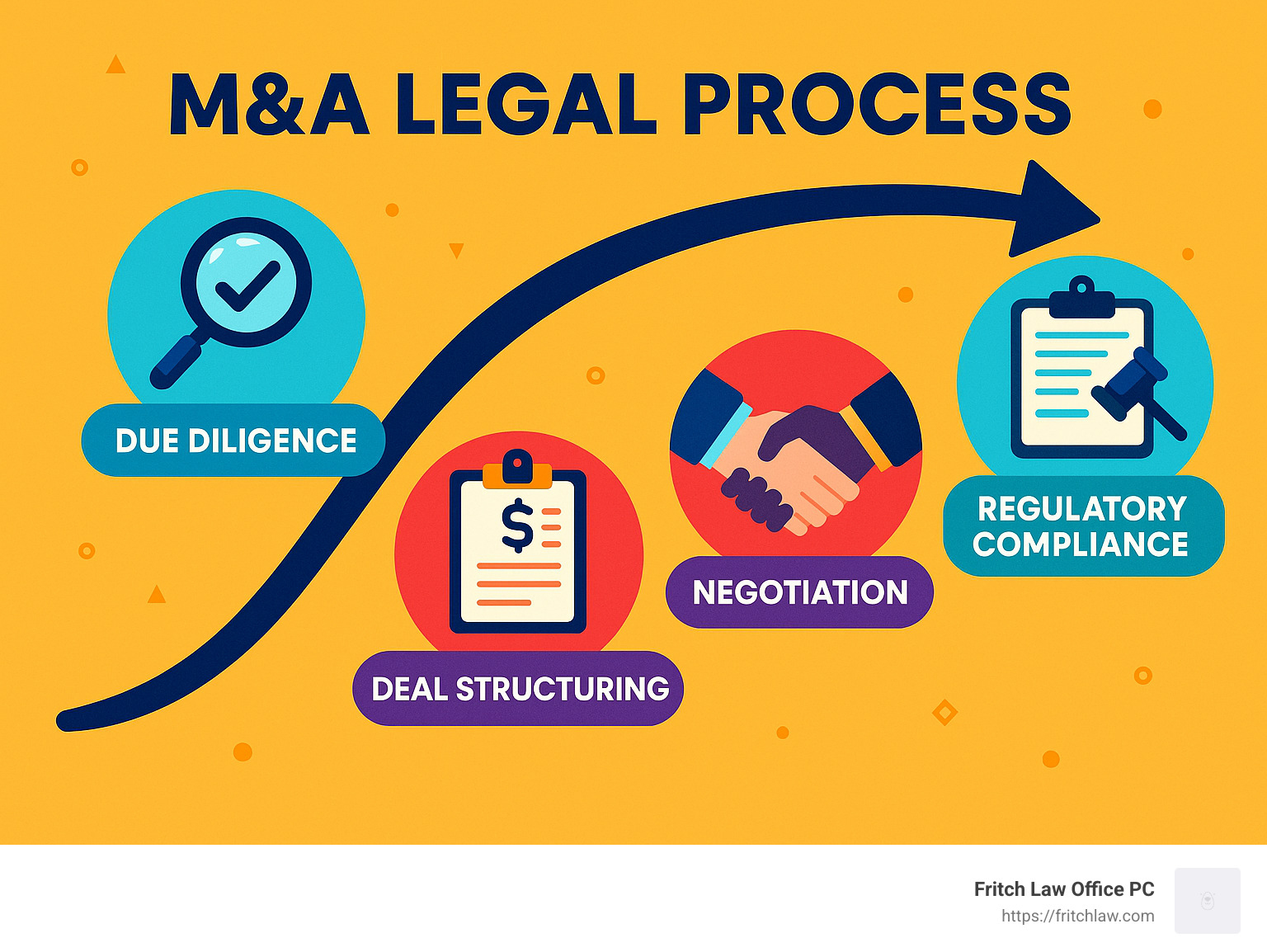
Key terms for m and a legal:
Understanding M and A Legal Framework
The m and a legal framework refers to the set of laws, rules, and practices guiding how companies combine, merge, or change ownership. Think of it as the rulebook for business marriages—except there are plenty of legal hoops to jump through before saying “I do.”
When it comes to mergers and acquisitions, people often use these terms interchangeably, but they’re actually quite distinct processes with different legal consequences.
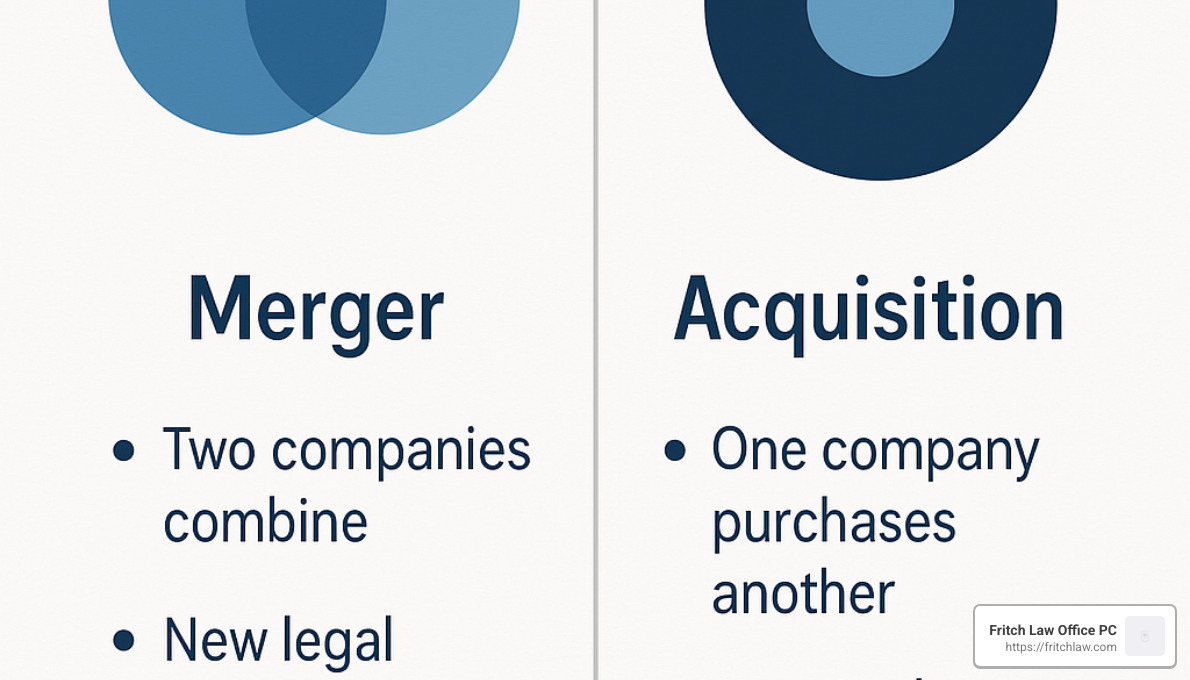
Mergers happen when two separate companies join forces to create a brand-new, unified entity. Think of it as two families deciding to move into a new home together—both businesses combine their assets and liabilities, and afterwards, neither exists independently.
Acquisitions, on the other hand, involve one company outright buying another, either fully or partially. Imagine one business moving into the other’s house—it might keep its own identity or become part of the acquiring company’s brand entirely.
Here’s a simple visual that nicely illustrates the difference between mergers and acquisitions:
M&A transactions come in a variety of flavors, custom to different business goals. For example, horizontal mergers combine companies that compete in the same industry—like two soda brands joining forces. Vertical mergers involve businesses at different stages of a product’s journey, such as a furniture brand buying a lumber supplier. Then there are conglomerate mergers, where completely unrelated companies team up, like a food manufacturer merging with a software firm—strange bedfellows perhaps, but it happens!
Sometimes deals involve purchasing specific assets of another company (an asset purchase) rather than buying the entire business. Other times, buyers acquire controlling stakes by purchasing company shares (stock purchases). Each type of transaction comes with its own set of legal considerations and strategic choices.
Regardless of the transaction type, law plays a critical role throughout the M&A process. Corporate law provides the rules for how companies can legally merge or transfer ownership. Securities regulations dictate how company stock can be bought and sold. Tax laws affect the deal structure and financial strategy. Employment law addresses what happens to workers during mergers or acquisitions. Intellectual property laws help determine who owns valuable ideas, trademarks, and technologies. And antitrust regulations make sure that business combinations don’t unfairly limit competition or harm consumers.
M&A is indeed a multifaceted legal dance, requiring careful steps to ensure all these different legal areas harmonize smoothly.
What is M and A Legal?
When we talk about m and a legal, we’re referring to the specialized part of corporate law that handles mergers, acquisitions, joint ventures, partnerships, and minority investments. It’s the legal foundation that ensures businesses can combine or transfer ownership safely, ethically, and profitably.
This area is built on several core principles. Corporate law principles set guidelines on how companies are created, operated, and dissolved. They lay the groundwork for transferring ownership and creating unified business entities. Transactional aspects include negotiating terms, conducting legal due diligence, drafting agreements, and finalizing deals. Then there are regulatory considerations, which involve making sure every deal meets securities laws, complies with antitrust requirements, and observes any industry-specific regulations.
M and a legal isn’t just limited to traditional buyouts. It includes joint ventures, strategic partnerships, and situations where businesses choose minority stakes instead of full ownership. As one legal pro puts it, “m and a legal isn’t only about buying businesses—it’s also about companies creatively working together, sharing ideas, and making strategic investments, all of which require careful legal planning.”
You can read more about the specifics of mergers and acquisitions to get extra details about how these transactions work.
The Role of M and A Legal Professionals
Think of your M&A lawyer as the quarterback of your deal team—they coordinate all the moving parts, keep the ball moving, and help score the final goal. Without them, your team would be running around in circles.
M&A attorneys walk you through every step of the process, from initial planning to signing the final paperwork. First up, legal due diligence—they carefully investigate the target company’s documents and operations to spot potential legal issues. This includes looking at contracts, permits, regulatory compliance, and company structures. Skipping due diligence or rushing through it is like buying a used car without checking under the hood—you might regret it later!
Deal lawyers are also essential in structuring the transaction. They help you choose between an asset purchase, stock purchase, or merger by considering factors like taxes, liability, and long-term business goals. They ensure the deal is structured to protect your interests and align with your strategic objectives.
Then comes contract drafting and negotiation, which is a bit like baking: having all the right ingredients in exactly the right amounts makes all the difference. M&A lawyers draft, review, and negotiate key legal documents such as non-disclosure agreements (NDAs), letters of intent (LOIs), and the all-important purchase agreements. They help you include necessary protections, clarify representations and warranties, and avoid potential pitfalls down the road.
Regulatory compliance is another crucial area where M&A legal professionals shine. They ensure that your deal meets all applicable laws—covering securities regulations, antitrust requirements, and any specific rules your industry must follow. Ignoring these compliance requirements can lead to costly fines, legal headaches, and even the deal falling apart.
In short, your M&A lawyer is your trusted guide who looks out for your interests, helping you avoid legal traps and complete your transaction successfully. They’re the essential partner you need to steer the twists and turns of mergers and acquisitions confidently.
Key Legal Risks in M&A Transactions
M&A transactions come with a host of legal risks that can turn even the most promising deals into complicated messes. Spotting and addressing these risks early isn’t just helpful—it’s essential for success.

The business world is littered with deals that collapsed due to overlooked legal issues. As many in the industry have observed:
“Promising deals can go awry because of poor understanding of legal aspects or simply, a lack of preparation and negligence.”
This reality underscores why thorough legal analysis isn’t a luxury—it’s a necessity. When we talk about m and a legal risks, we’re looking at several critical areas that demand attention.
First and foremost are due diligence risks. When you don’t fully investigate a target company, you might miss hidden liabilities, problematic contracts, or compliance issues that could haunt you later. I’ve seen deals where buyers finded major problems only after signing—a situation no one wants to be in.
Financial risks lurk beneath the surface of many transactions. These include undisclosed debts, tax exposures, or accounting irregularities that can dramatically affect what you’re actually buying. Sometimes what looks good on paper tells only half the story.
Regulatory and antitrust concerns represent another significant hurdle. Without proper approvals, your deal might face delays, restructuring requirements, or even complete termination. This is especially true for larger deals or those in heavily regulated industries.
In public company transactions, there’s always the deal jump risk—the possibility that another bidder swoops in with a better offer, potentially derailing your carefully planned transaction. Timing and confidentiality become crucial in these situations.
After closing, integration challenges often emerge. Legal obstacles to combining operations, systems, and personnel can make it difficult to achieve the synergies that made the deal attractive in the first place. What looks good in theory sometimes proves difficult in practice.
Intellectual property issues frequently create significant headaches. Unclear ownership, infringement problems, or inadequate protection of IP assets can substantially impact the value you’re receiving. For tech companies especially, IP often represents the crown jewels of the acquisition.
Don’t overlook employment and labor considerations. Issues related to benefits, labor agreements, and keeping key talent can create unexpected complications that affect both the short and long-term success of the deal.
Finally, environmental liabilities can be particularly troublesome. Unfinded environmental issues might lead to substantial cleanup costs and regulatory penalties that weren’t factored into your initial valuation.
Successful m and a legal risk management isn’t about avoiding all risks—it’s about understanding them, pricing them appropriately, and creating strategies to address them throughout the transaction process.
Due Diligence and Risk Assessment
Due diligence serves as the foundation of risk management in M&A. It’s the process where you roll up your sleeves and really get to know what you’re buying—examining the target company’s legal, financial, operational, and commercial aspects to uncover potential issues and determine a fair price.
When we talk about m and a legal due diligence, we’re covering several critical territories. Corporate due diligence examines organizational documents, shareholder agreements, and governance practices to verify the company’s legal status and ownership structure. This helps ensure you know exactly what entity you’re acquiring and who has rights to it.
Contractual due diligence involves reviewing important agreements with customers, suppliers, lenders, and licensors. One particular concern is identifying “change of control” provisions that might be triggered by your transaction, potentially requiring third-party consents or creating termination rights.
The human element matters too. Employment due diligence assesses workforce-related obligations and potential liabilities by examining employment contracts, benefit plans, and labor agreements. This helps you understand what commitments you’re inheriting and how the transaction might impact the workforce.
For many companies, especially in tech and manufacturing, intellectual property due diligence is crucial. This involves verifying ownership and protection of patents, trademarks, copyrights, and trade secrets—often the most valuable assets in the transaction.
No company is immune from legal challenges, making litigation due diligence essential. This includes reviewing pending or threatened lawsuits, government investigations, and compliance issues that could result in financial or reputational damage down the road.
Finally, regulatory due diligence evaluates compliance with industry-specific regulations and identifies required approvals for your transaction. This is particularly important in highly regulated industries like healthcare, financial services, and telecommunications.
Effective due diligence isn’t about checking boxes—it’s about asking the right questions and digging deeper when answers raise concerns. The insights you gain directly inform how risks are allocated in the transaction documents through representations, warranties, indemnities, and price adjustment mechanisms.
As one experienced attorney puts it, “Good due diligence doesn’t just find problems—it finds solutions.” When done right, this process not only protects you from unwelcome surprises but also provides leverage in negotiations and helps structure the deal to address the specific risks identified.
Regulatory Compliance and Antitrust Issues
Navigating the regulatory landscape is one of the most challenging aspects of m and a legal risk management. M&A transactions, especially those involving competitors or creating significant market concentration, often need regulatory approval before they can cross the finish line.
Antitrust laws exist to keep markets competitive and prevent monopolistic practices. In the United States, the Hart-Scott-Rodino (HSR) Antitrust Improvements Act requires pre-merger notification for transactions exceeding certain thresholds. The Sherman Act and Clayton Act provide the legal framework prohibiting anti-competitive mergers.
If your transaction has an international dimension, you’ll need to steer additional regulatory frameworks. The European Union has its own Merger Regulation requiring notification to the European Commission for concentrations with an EU dimension. And many other countries have their own merger control regimes with specific notification requirements and review procedures.
The path to regulatory compliance starts with early assessment. Conducting an antitrust analysis early in your planning process helps identify potential issues and determine where you’ll need to file notifications. This analysis should consider market definitions, concentration levels, and potential competitive effects.
Preparing merger control filings requires gathering comprehensive information about the transaction and its competitive implications. These filings often involve detailed market data, competitive analyses, and business rationales for the transaction.
Smart planning includes building sufficient time into your transaction timeline for regulatory review. Depending on the complexity of your deal and the jurisdictions involved, this can range from 30 days to several months. Patience is more than a virtue here—it’s a necessity.
For transactions with significant regulatory concerns, you might need to develop remedy strategies such as divestitures or behavioral commitments. These remedies address potential competitive issues while allowing the core transaction to proceed.
The consequences of non-compliance with regulatory requirements can be severe. Beyond significant financial penalties, you might face delays or outright prohibition of your transaction. In some cases, regulators can force divestitures or even unwind completed transactions. There’s also the potential for damage to your company’s reputation and litigation from competitors, customers, or shareholders.
For complex transactions with significant regulatory risks, consider implementing clean team arrangements to handle competitively sensitive information. You might also want to include hell-or-high-water provisions in your transaction agreements to allocate regulatory risk, or reverse break-up fees to compensate the seller if the deal fails due to regulatory issues.
At Fritch Law Office PC, we understand that navigating these complex regulatory waters requires close collaboration between legal counsel, business teams, and sometimes economic experts. Our experience helps ensure your transaction stays on course through the regulatory process, addressing potential concerns proactively rather than reactively.
Managing Legal Risks in M&A
When it comes to mergers and acquisitions, managing legal risks isn’t just important—it’s essential for success. At Fritch Law Office PC, we’ve seen how the right approach to risk management can make the difference between a smooth transaction and a costly mistake.

Think of m and a legal risk management as building a safety net for your business deal. This isn’t just about identifying potential problems—it’s about developing practical solutions that protect your interests throughout the entire transaction.
Good risk management starts early. Bringing in legal counsel at the beginning stages of your M&A planning helps spot potential issues before they become expensive problems. This early involvement, combined with thorough due diligence, creates the foundation for a successful transaction.
The way we structure your deal can also significantly impact risk exposure. Sometimes, an asset purchase makes more sense than buying stock, especially if you’re concerned about hidden liabilities. Other times, a merger might offer better tax advantages or smoother transition of contracts and licenses.
We also focus on thoughtful risk allocation in your contracts. This means carefully negotiating representations, warranties, and indemnities that fairly distribute risk between all parties. And because no plan is perfect, we develop contingency strategies for potential roadblocks like regulatory challenges or financing hiccups.
At Fritch Law Office PC, we understand that each M&A transaction has its own unique challenges. That’s why we customize our approach for each client, drawing on our deep roots in the Indiana business community to deliver practical solutions that work in the real world.
Structuring Deals and Negotiation Tactics
How you structure your M&A deal affects everything from taxes to liability exposure. Making the right choice here is one of the most important m and a legal decisions you’ll face.
Let’s break down your main options:
With an asset purchase, you buy specific assets and take on only the liabilities you agree to accept. This gives you more control and potentially better tax treatment through a step-up in asset basis. However, it’s more complex to execute since each asset must be transferred individually, and you might face transfer taxes or need third-party approvals for contracts.
A stock purchase is simpler in many ways—you buy the company’s stock and indirectly acquire everything it owns and owes. This approach maintains business continuity and is often preferred by sellers for tax reasons. The downside? You inherit all liabilities, including ones you don’t know about yet.
Mergers come in several varieties, each with different implications. A forward merger means the target company merges into your company. A reverse merger means your company merges into the target. Triangular mergers involve subsidiaries and offer additional flexibility for complex situations.
When it comes to negotiation, protecting our clients involves several key strategies. The purchase price mechanism is crucial—will you pay a fixed amount or adjust based on closing financials? For situations with uncertain outcomes, earnouts can bridge valuation gaps by tying part of the payment to future performance.
Representations and warranties serve as your insurance policy in the deal. We make sure these cover all material aspects of the business while negotiating appropriate knowledge qualifiers and materiality thresholds to keep seller exposure reasonable.
Indemnification provisions, closing conditions, and termination rights round out your protection package. These elements work together to ensure you have recourse if things don’t go as planned after closing.
At Fritch Law Office PC, our approach to negotiations balances strong legal protection with practical business sense. We focus on understanding what matters most to you, then prioritize those elements while maintaining deal momentum. Our familiarity with the local Indiana business landscape helps us craft agreements that work in your specific context.
Drafting and Reviewing Legal Documents
The documents in your M&A transaction aren’t just paperwork—they’re the blueprint for your deal’s success. Clear, precise legal documents help prevent disputes, allocate risks appropriately, and create a roadmap for completing the transaction.
It all starts with the Non-Disclosure Agreement (NDA). This critical first document protects the confidential information you’ll exchange during due diligence. A well-drafted NDA clearly defines what information is protected, how it can be used, and for how long. We often include non-solicitation provisions to prevent the other party from poaching your employees or customers during negotiations.
The Letter of Intent (LOI) comes next, outlining the key terms of your proposed transaction. While most of an LOI is non-binding, certain provisions like confidentiality and exclusivity typically are binding. This document helps ensure everyone is on the same page before investing significant resources in due diligence and documentation.
The heart of your transaction is the purchase agreement—whether that’s an Asset Purchase Agreement, Stock Purchase Agreement, or Merger Agreement. This comprehensive document details exactly what’s being purchased, the price and any adjustment mechanisms, representations and warranties from both parties, what needs to happen before closing, conditions that must be met to close, indemnification rights, and circumstances under which the deal can be terminated.
Accompanying the purchase agreement are disclosure schedules, which qualify the seller’s representations and warranties by listing exceptions and providing additional information. These schedules are crucial for risk allocation—they effectively tell the buyer, “here’s what you’re getting, warts and all.”
Various ancillary agreements complete the package. These might include employment agreements for key personnel, non-compete agreements, transition services agreements to keep operations running smoothly after closing, escrow agreements to hold back part of the purchase price, and real estate documents like leases or deeds.
Accurate drafting matters tremendously in m and a legal documentation. Precise language ensures the documents truly reflect what both parties intend. Thoughtful provisions allocate risk appropriately between buyer and seller. Well-crafted agreements anticipate potential issues and include mechanisms to address them. And legally sound documents ensure enforceability if disputes arise later.
Representations and warranties deserve special attention. These statements about the business serve multiple purposes: they provide information about what you’re buying, allocate risk between parties, create a foundation for indemnification claims if problems arise, and establish conditions for closing the deal. Key areas covered typically include organization and authority, ownership structure, financial statements, assets and liabilities, important contracts, intellectual property, employee matters, tax compliance, regulatory compliance, environmental issues, and pending litigation.
At Fritch Law Office PC, we bring our deep understanding of Indiana business law to every document we draft or review. Our approach to Corporate Law Services includes careful attention to detail while keeping the big picture in mind. We create documents that protect your interests while facilitating successful transactions—because ultimately, the goal is to close the deal and set you up for future success.
Post-Merger Legal Considerations
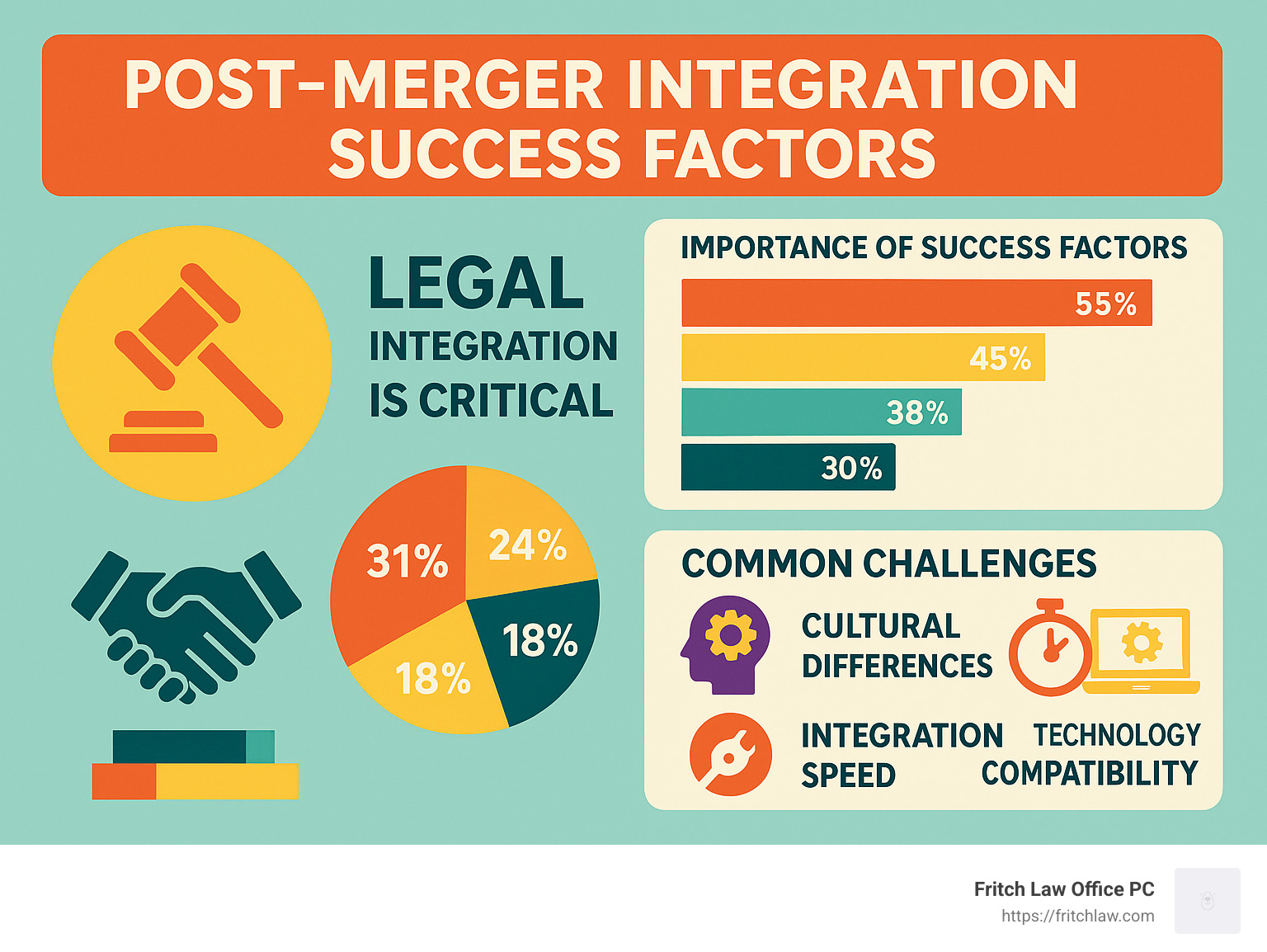
You’ve worked hard, steerd negotiations, and finally closed your M&A deal. But wait, the legal journey isn’t over yet! Integration after closing brings its own unique challenges and opportunities. Let’s walk through the important post-merger legal considerations to help your business smoothly transition and fully benefit from your deal.

After the excitement of closing day fades, it’s time to focus on integration planning and implementation. You’ll want to ensure your corporate governance structures are updated to reflect your new business arrangement. This might mean adjusting board roles, updating your organizational documents, or harmonizing policies and procedures. You may also need to handle additional asset transfers, contract assignments, and obtaining required consents or giving notifications to third parties.
Employees are the heart of every organization, and mergers can be a sensitive time. Employment law considerations become very important after the deal closes. You’ll need to figure out how to harmonize employee benefits and policies, address any workforce redundancies in a fair and legally compliant manner, and secure the retention of key talent. A thoughtful, legally sound approach can significantly impact morale—and even help you avoid costly disputes down the line.
Don’t overlook the value and complexity of your intellectual property (IP). Ensuring that IP rights are properly transferred and protected is crucial to safeguarding your investment. Update registrations, review licensing agreements, and integrate your combined IP portfolio thoughtfully. This sets the stage for future innovation and growth.
Contracts don’t vanish after closing either! You’ll have ongoing contractual obligations, such as fulfilling transition service agreements, managing vendor relationships, and meeting any post-closing covenants you’ve agreed upon. Staying organized and proactive helps keep relationships strong and limits unexpected headaches.
Compliance doesn’t stop at closing. In fact, post-merger is the perfect time to reevaluate your regulatory compliance programs across the newly combined business. Harmonize compliance policies, deliver training to your teams, and ensure consistent reporting. A solid compliance foundation protects you from avoidable regulatory pitfalls.
Finally, it’s important to anticipate that disagreements or disputes may arise, even after a successful closing. Common post-closing issues include managing earn-out provisions, resolving indemnification claims, and addressing purchase-price adjustments. Being prepared for these possibilities can help resolve issues quickly and amicably, saving you valuable time and resources.
As one seasoned professional noted, “Post-closing obligations in the SPA/APA to ensure proper transition and integration” are truly vital components of a successful M&A transaction.
Ensuring Smooth Legal Integration
To make sure your post-merger integration stays on track, it’s crucial to develop a clear, comprehensive plan that addresses the various “m and a legal” considerations we just discussed.
Start by clearly outlining your integration goals and responsibilities. Identify each legal task, assign accountability, and set realistic timelines. Establish governance oversight and keep communication flowing—both internally and externally—to reduce uncertainty and confusion.
Tackle governance changes promptly by updating corporate structures, board roles, and delegations of authority. Ensure these changes reflect the objectives of your new combined organization.
Contracts and third-party relationships also require careful attention. Review your agreements—deciding which need assignment, renegotiation, or termination—and secure necessary consents. Streamlining vendor contracts and aligning contract-management practices can simplify your operations and save resources.
Consolidating compliance programs helps you identify risks quickly and consistently across your business. Harmonize policies and procedures, roll out effective compliance training, and ensure ongoing monitoring to keep your new entity on solid legal footing.
Incorporate employment considerations thoughtfully by aligning compensation structures, updating HR policies, and addressing workforce changes with clear, compassionate communication. This helps build trust and maintain productivity through the transition period.
Protecting and managing your intellectual property is equally critical. Update ownership records, align your IP protection strategies, and streamline licensing practices. Your IP assets are among your most valuable resources, so don’t overlook them!
Lastly, stay vigilant about post-closing obligations such as earn-out payments, escrow conditions, indemnification claims, and purchase-price adjustments. Proactively managing these items reduces conflict and strengthens business relationships.
At Fritch Law Office PC, we understand that the legal aspects of integration can feel overwhelming. That’s why we offer personalized, client-focused support to guide you through every step of the “m and a legal” post-merger integration process. Our experienced lawyer will help you steer the complexities, minimize risks, and confidently achieve your business objectives.
Frequently Asked Questions about M&A Legal Risks
When should a company involve an M&A lawyer?
Companies often wonder about the best time to bring an experienced lawyer onboard when considering a merger or acquisition. Ideally, it’s best to involve an M&A lawyer right from the very beginning—long before negotiations officially start.
Having legal input early lets you take a strategic approach. Your lawyer can help you identify potential legal problems and suggest the most favorable deal structures. They’ll also help you craft crucial initial documents like Non-Disclosure Agreements (NDAs) and Letters of Intent (LOIs). It’s much easier—and cheaper—to handle issues upfront than to clean up messes later!
By getting legal guidance at the start, you ensure your due diligence plan is strong and comprehensive. Plus, your lawyer will make sure you understand any regulatory approvals or compliance issues that could impact your deal down the road. At Fritch Law Office PC, we strongly believe that proactive m and a legal support helps our clients avoid headaches and positions their transactions for long-term success.
What are the consequences of inadequate legal due diligence?
In mergers and acquisitions, cutting corners on due diligence can spell serious trouble. Inadequate due diligence often leads to nasty surprises after the deal closes—and nobody likes those.
For instance, failing to catch hidden liabilities (think unexpected lawsuits, environmental clean-up costs, or unpaid taxes) can quickly undermine the value of your new purchase. Without proper investigation, you may end up overpaying since you didn’t have the full picture of the company’s true condition beforehand.
Incomplete due diligence could mean missing critical issues that pop up right before closing, causing frustrating delays or even total deal collapse. It also tends to lead to messy integration problems afterward, making it difficult—sometimes impossible—to achieve the benefits you originally hoped for.
Another serious consequence is that without thorough due diligence, your lawyer won’t be able to negotiate the right protections in your deal documents. This leaves you vulnerable if problems arise later. Lastly, big legal surprises post-closing can harm your company’s reputation and management credibility with shareholders and investors.
It’s no wonder nearly half of all acquisitions don’t meet their expected success criteria. A huge part of this comes down to skipping or rushing through the due diligence stage. At Fritch Law Office PC, we always recommend taking your time to do thorough, careful due diligence. Trust us—your future self will thank you!
How do M&A lawyers assist with regulatory compliance?
When you’re dealing with mergers and acquisitions, regulations can feel like a daunting maze. But don’t worry—your M&A lawyer is there to guide you safely through.
First, your lawyer helps identify all the regulatory requirements specific to your transaction. Different deals, industries, and locations have different rules, so your lawyer will create a clear “map” of what applies to you. This includes understanding how antitrust and competition laws may affect your merger, such as submitting Hart-Scott-Rodino (HSR) filings in the United States or similar notifications in other countries.
Local, state, and federal regulations can also vary by industry—whether you’re in healthcare, financial services, telecom, or energy, the rules change. Your lawyer helps secure necessary approvals, licenses, or permits and makes sure your transaction stays compliant from start to finish.
Public companies have even more considerations, including compliance with securities laws and SEC filings. Your lawyer ensures you properly handle disclosures and shareholder approvals without accidentally stepping into insider trading issues.
Foreign investments add another layer of complexity. Your M&A lawyer helps steer reviews by organizations like the Committee on Foreign Investment in the United States (CFIUS) and addresses similar issues internationally.
Even after the deal closes, compliance doesn’t end. Your lawyer will assist you in merging compliance programs, fulfilling regulatory commitments, and establishing monitoring plans post-integration.
At Fritch Law Office PC, we’ve been helping businesses in Indiana steer through regulatory problems for years. We coordinate with regulatory authorities and help negotiate contract terms that fairly distribute any regulatory risks. With a good lawyer by your side, staying compliant doesn’t have to feel overwhelming—in fact, you might even sleep better at night!
Conclusion
Navigating mergers and acquisitions can feel a lot like planning a cross-country road trip—exciting, full of potential, but also packed with unexpected twists and turns. That’s exactly why effective legal risk management—often referred to as m and a legal—is absolutely essential for a smooth and successful journey.
From the moment you begin considering a deal, right through to integrating your new business partner, m and a legal considerations influence every step. Getting the legal side right can significantly reduce risks, protect your business, and pave the way for a rewarding transaction. Let’s quickly recap some key insights we’ve covered.
Starting early is crucial. Bringing experienced legal counsel on board at the outset helps you identify potential roadblocks before they become major obstacles. It’s like checking the weather and traffic before you hit the highway—you’ll be prepared for whatever comes your way.
Another cornerstone of smart m and a legal practice is thorough due diligence. Think of this as checking under the hood before buying a used car: a comprehensive review of corporate documents, contracts, employee matters, intellectual property, and regulatory compliance gives you the information needed to make wise decisions and negotiate confidently.
Choosing the right deal structure is also critical. Whether it’s an asset purchase, stock purchase, or merger, the structure you choose has significant implications for taxes, liabilities, and future operations. Like selecting the right vehicle for your road trip—convertible for fun or SUV for practicality—strategic deal structuring ensures your transaction aligns with your business goals and risk tolerance.
Careful and precise document drafting is another key to managing risk effectively. Ensuring your contracts clearly reflect the agreed terms helps avoid misunderstandings later. Representations, warranties, indemnification clauses, and closing conditions are more than just legal jargon; they’re your safety belt keeping everyone secure during the ride.
Regulatory compliance is another important pit stop along the m and a legal journey. Antitrust laws, industry-specific regulations, and securities requirements can create speed bumps or road blocks if not handled proactively. Ensuring compliance from the start keeps your transaction moving smoothly and helps avoid costly delays, fines, or even failed deals.
Even once the ink is dry, your legal journey isn’t over. Careful post-merger integration is necessary to fully realize the value of your deal. Like unpacking and settling into a new home, integrating corporate structures, aligning policies, managing employment issues, and consolidating IP rights require ongoing legal attention. Thoughtful planning here prevents surprises and conflicts, setting your new combined entity up for long-term success.
At Fritch Law Office PC, located right here in Jasper, Indiana, we understand that mergers and acquisitions represent both big opportunities and considerable risk for businesses. That’s why we take a personalized approach to each transaction, providing client-focused legal representation custom specifically to your unique circumstances and objectives.
With decades of experience supporting businesses in our local community, we take pride in combining solid legal knowledge with practical business insight. You won’t hear us boasting about being “the best” or “experts”—our focus instead is on building lasting partnerships with our clients, helping you steer the complexities of m and a legal matters, and guiding you safely toward your business destination.
If you’re considering a merger or acquisition, we’d love to talk further. Feel free to visit our page on Corporate Lawyers or contact our office to schedule a friendly conversation. Let’s make your next transaction a smooth and successful journey together.