
Legal help for renters is crucial to navigating the complexities of the housing market and safeguarding tenant rights. If you’re a renter facing legal challenges, here are quick points to guide you:
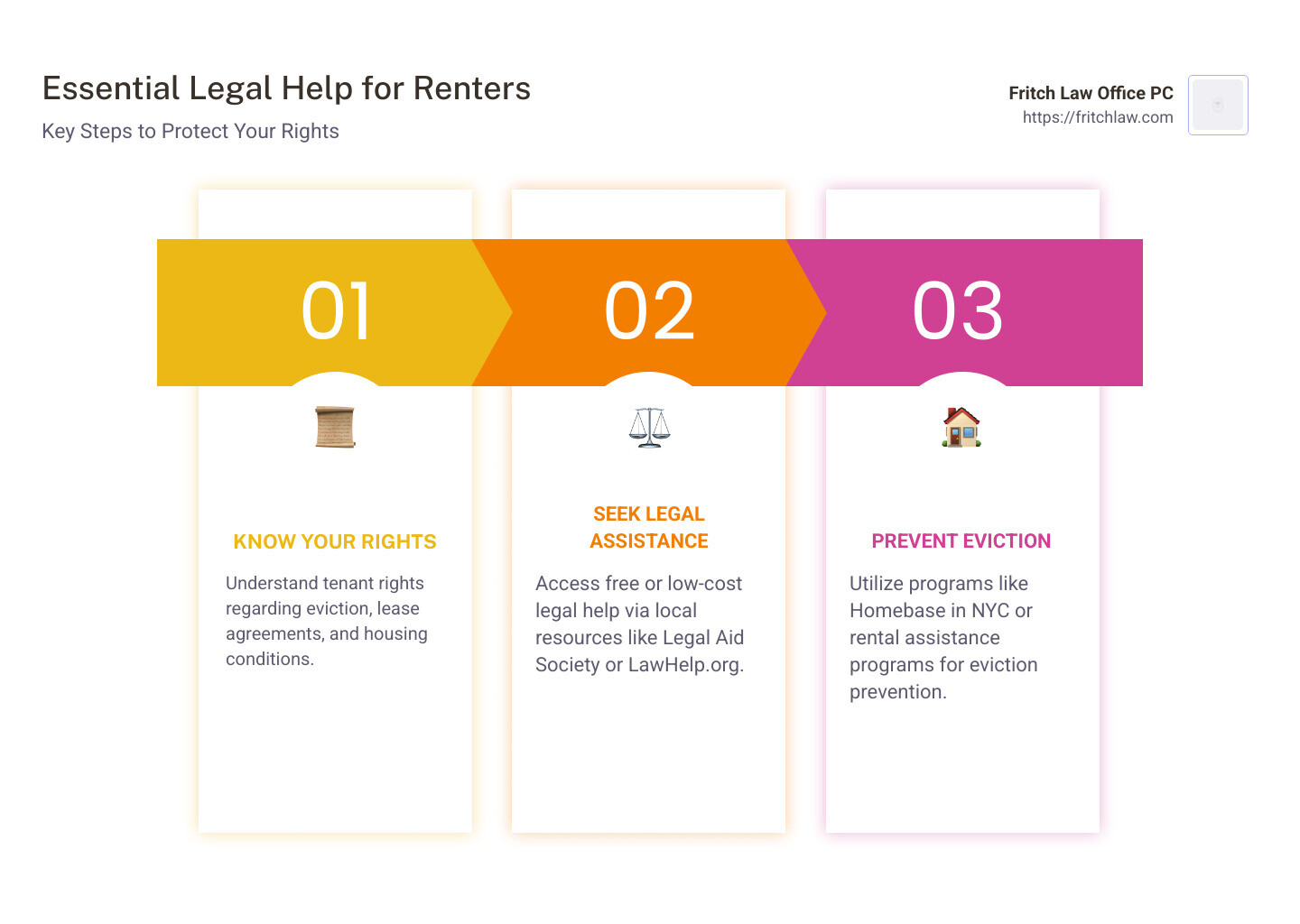
- Know Your Rights: Understand tenant rights regarding eviction, lease agreements, and housing conditions.
- Seek Legal Assistance: Access free or low-cost legal help via local resources like Legal Aid Society or LawHelp.org.
- Prevent Eviction: Use programs like Homebase in NYC or rental assistance programs for eviction prevention.
Navigating the rental landscape can be daunting, but understanding your rights and having access to legal resources can make all the difference. Whether it’s issues with lease agreements or facing eviction, knowing where to find help can be empowering.
I’m David Fritch, an experienced lawyer with years of dedication in providing legal help for renters. My journey has been about empowering individuals in Indiana to understand their rights and secure the housing they deserve. Let’s dive deeper into how to protect your rental journey with confidence.
Simple guide to Legal help for renters terms:
– eviction lawyer near me free consultation
– landlord tenant lawyer free consultation near me
– tenant rights attorney near me
Understanding Tenant Rights
Renting a home comes with specific rights and responsibilities. Knowing these can help protect you and ensure a positive rental experience. Let’s break down some key aspects of tenant rights.
Habitable Space
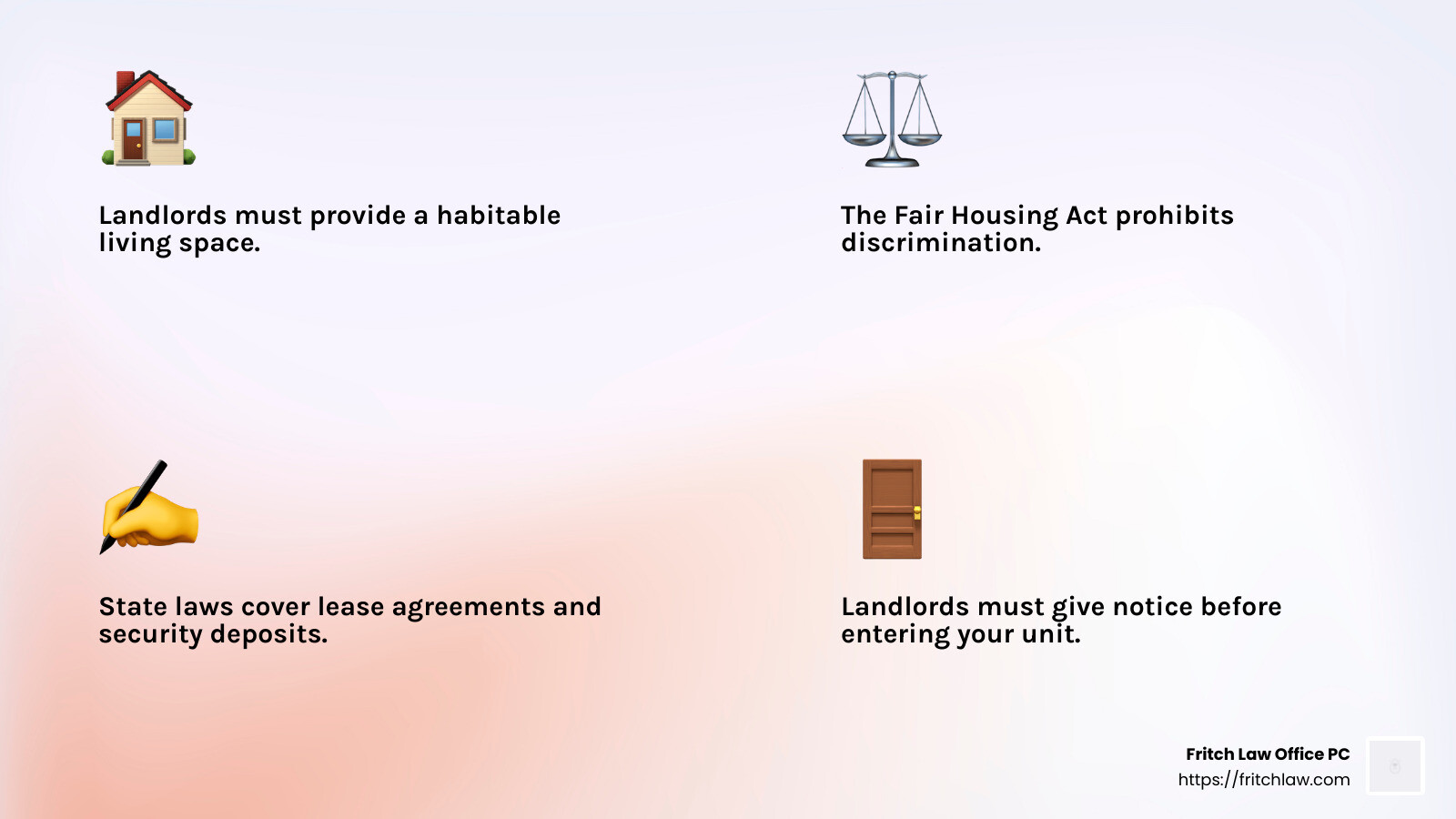
Every tenant deserves a safe and livable home. This means your landlord must provide a habitable space. A habitable space includes working plumbing, heating, and electricity. Your apartment should be free from hazards like mold or pests. If your landlord doesn’t maintain these standards, you have the right to request repairs.
Federal Protections
Federal laws offer protections to renters across the United States. For instance, the Fair Housing Act prohibits discrimination based on race, color, national origin, religion, sex, familial status, or disability. This means landlords can’t refuse to rent to you or treat you unfairly because of these characteristics. It’s crucial to know these protections to ensure your rights aren’t violated.
Common Law
In addition to federal protections, each state has its own common law rules. These laws often cover lease agreements, security deposits, and eviction processes. For example, in Indiana, landlords must provide notice before entering your rental unit and can’t evict you without proper cause or legal process. Understanding these common laws can help you steer any disputes with your landlord.
If you ever feel your rights are being violated, reach out to local legal aid services. They can provide guidance on your specific situation and help you take the necessary steps to protect yourself. Knowing your rights is the first step to a secure and fair rental experience.
Legal Help for Renters
Renting can be stressful, especially if you’re facing eviction or other legal issues. But don’t worry, there are resources available to help you.
Free Legal Aid
Access to free legal aid can be a lifeline for renters facing legal challenges. Organizations like Legal Services Corp. connect low-income Americans to civil legal aid, ensuring they have the support they need. You can also visit websites like LawHelp.org to find free or low-cost legal aid in your area. These services can help you understand your rights, fill out necessary forms, and represent you in court if needed.
Tenant Hotline
Sometimes, all you need is a quick answer or some advice. That’s where a tenant hotline comes in handy. For example, HOME Line offers a confidential hotline for tenants in Minnesota, providing legal advice and support. While Fritch Law Office PC is based in Indiana, similar hotlines are available across the country. They can help you steer landlord disputes, understand your lease agreement, and more.
Eviction Prevention
Facing eviction can be overwhelming, but there are steps you can take to prevent it. First, communicate with your landlord. Let them know if you’re having trouble paying rent or if there are issues with your living conditions. Sometimes, a simple conversation can resolve problems before they escalate.
If you do receive an eviction notice, don’t panic. Legal aid organizations can assist you in understanding your options and rights. Mediation services, like those offered by community mediation centers, can help you and your landlord reach an agreement without going to court.
Staying informed and seeking help early can make a big difference. Empower yourself by knowing your rights and utilizing the resources available to you.
Navigating Eviction Processes
Facing eviction can feel daunting, but understanding the process can help you regain control. If you receive an eviction notice, it’s important to act quickly. An eviction notice is the first step a landlord takes to remove a tenant from a rental property. It outlines the reason for eviction and any actions you can take to prevent it, such as paying overdue rent or fixing a lease violation.
Housing Court is where eviction cases are resolved. As a tenant, you have the right to challenge an eviction in court. During this process, you can present your case, offer evidence, and argue why you should not be evicted. It’s crucial to attend all court hearings and meet any deadlines set by the court. If needed, seek legal representation or advice from organizations like the Legal Aid Society to strengthen your case.
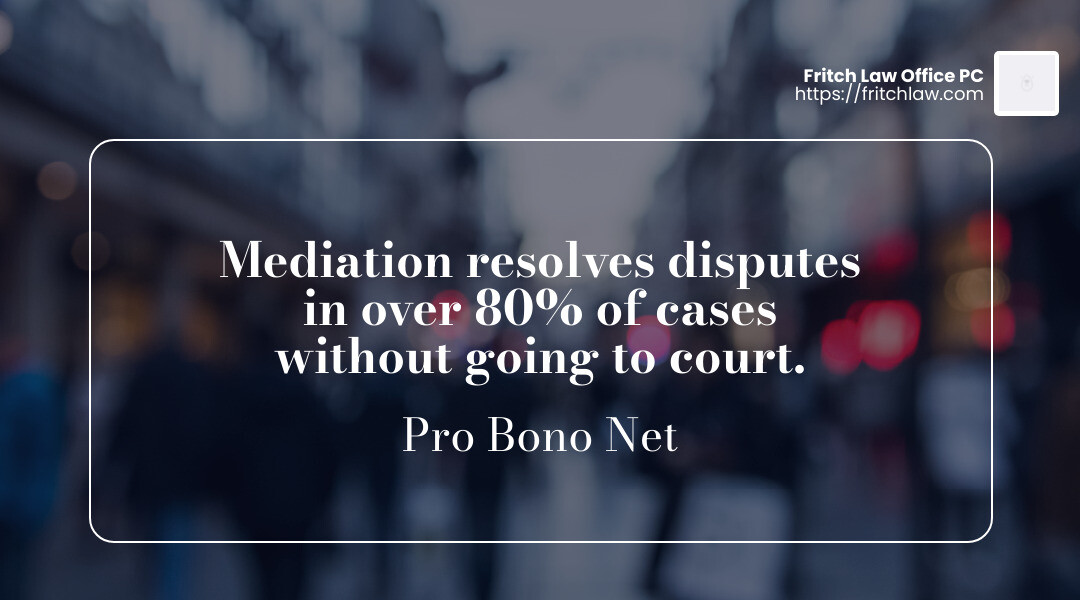
Mediation can be a valuable tool in resolving disputes without the need for a lengthy court battle. Mediation involves a neutral third party who helps both you and your landlord discuss and reach a mutually acceptable agreement. Many community mediation centers offer these services for free or at a low cost. Mediation can save time, reduce stress, and often leads to more satisfactory outcomes for both parties.
Understanding your rights and the eviction process can empower you to take the necessary steps to protect your housing situation. Seek help early, communicate openly with your landlord, and use available resources to steer this challenging time.
Resources for Renters
Finding the right resources for renters can make a big difference in maintaining stable housing. Whether you’re dealing with a difficult landlord or facing eviction, there are organizations and programs ready to help.
Tenant Organizations
Tenant organizations are groups that advocate for renters’ rights and provide support in various housing issues. They offer valuable information on tenant rights and can guide you through disputes with landlords. For instance, JustShelter.org connects renters to over 600 community organizations nationwide that work to prevent eviction and protect tenant rights. These organizations often host workshops and meetings to educate tenants about their legal protections.
Legal Aid Programs
Legal aid programs provide free or low-cost legal assistance to individuals who cannot afford a lawyer. These programs are crucial for tenants facing eviction or other legal challenges. LawHelp.org is a fantastic resource to find legal aid in your area. They offer a network of nonprofit legal aid providers who help low-income individuals with eviction cases and other housing issues. Additionally, the Legal Services Corporation connects low-income Americans to civil legal aid, ensuring that everyone has access to justice.
Community Mediation
Community mediation is an effective way to resolve disputes without going to court. It involves a neutral third party who helps both you and your landlord reach an agreement. Mediation can be quicker and less stressful than a court case, often leading to more satisfactory outcomes. Many community centers offer free or low-cost mediation services. In New York City, for example, the New York Peace Institute provides mediation services in Manhattan and Brooklyn, while the Institute for Mediation & Conflict Resolution serves the Bronx.
By tapping into these resources, renters can better steer challenges and protect their housing rights. Whether it’s through legal aid, tenant organizations, or community mediation, help is available to ensure you have the support needed in your rental journey.
Next, we’ll explore Frequently Asked Questions about Legal Help for Renters, addressing common concerns and providing practical advice.
Frequently Asked Questions about Legal Help for Renters
What are my rights as a tenant?
As a tenant, you have several important rights to ensure your living space is safe and fair. Your rental should be habitable, meaning it must meet basic standards for health and safety, like having working plumbing and heating. Landlords cannot discriminate against you based on race, gender, religion, or other protected categories.
The U.S. Department of Housing and Urban Development (HUD) offers a comprehensive guide to tenant rights by state, so you can understand the specific protections available to you. Additionally, the Blueprint for a Renters Bill of Rights, issued by the Biden administration, emphasizes fairness in housing, including the right to organize and protections against eviction.
How can I find free legal assistance?
Finding free legal aid can be crucial if you’re facing eviction or other housing issues. Start with LawHelp.org, which connects you to nonprofit legal aid providers in your area. These organizations offer support to low-income individuals, helping with eviction cases and more.
Another resource is the Legal Services Corporation, which helps connect people to civil legal aid. You can also call 211, a free service that connects you to local resources for housing assistance.
What should I do if I receive an eviction notice?
Receiving an eviction notice can be stressful, but there are steps you can take to protect yourself. First, understand the notice: it should detail why you’re being evicted and what you can do to resolve the issue.
Next, seek legal help immediately. Contact a legal aid organization through LawHelp.org or reach out to a tenant hotline for guidance. In Minnesota, for example, HOME Line offers a free hotline for tenants needing legal advice.
Consider mediation as an alternative to going to court. A neutral mediator can help you and your landlord reach an agreement without the stress of a legal battle. Many community centers, like the New York Peace Institute, offer mediation services to assist in resolving disputes.
Taking these steps can help you steer the eviction process more smoothly and protect your rights as a tenant.
Next, we’ll conclude by discussing how Fritch Law Office PC can provide personalized legal representation to support you in your rental journey.
Conclusion
Navigating the rental journey can be challenging, but you don’t have to do it alone. At Fritch Law Office PC, we are committed to providing personalized legal representation that meets your unique needs. Based in Jasper, Indiana, our experienced lawyers understand the complexities of landlord-tenant law and are dedicated to ensuring your rights are protected.
We believe in a client-focused approach. This means we listen to your concerns, provide clear solutions, and guide you every step of the way. Whether you’re dealing with an eviction notice, need help recovering a security deposit, or are facing maintenance issues, our team is here to support you.
Our services are designed to empower renters like you. We offer comprehensive legal help, from lease reviews to dispute resolution, ensuring that you have the knowledge and support needed to make informed decisions.
If you’re ready to take control of your rental journey, contact Fritch Law Office PC today to schedule a consultation. Let us help you steer the complexities of landlord-tenant law with confidence and peace of mind.